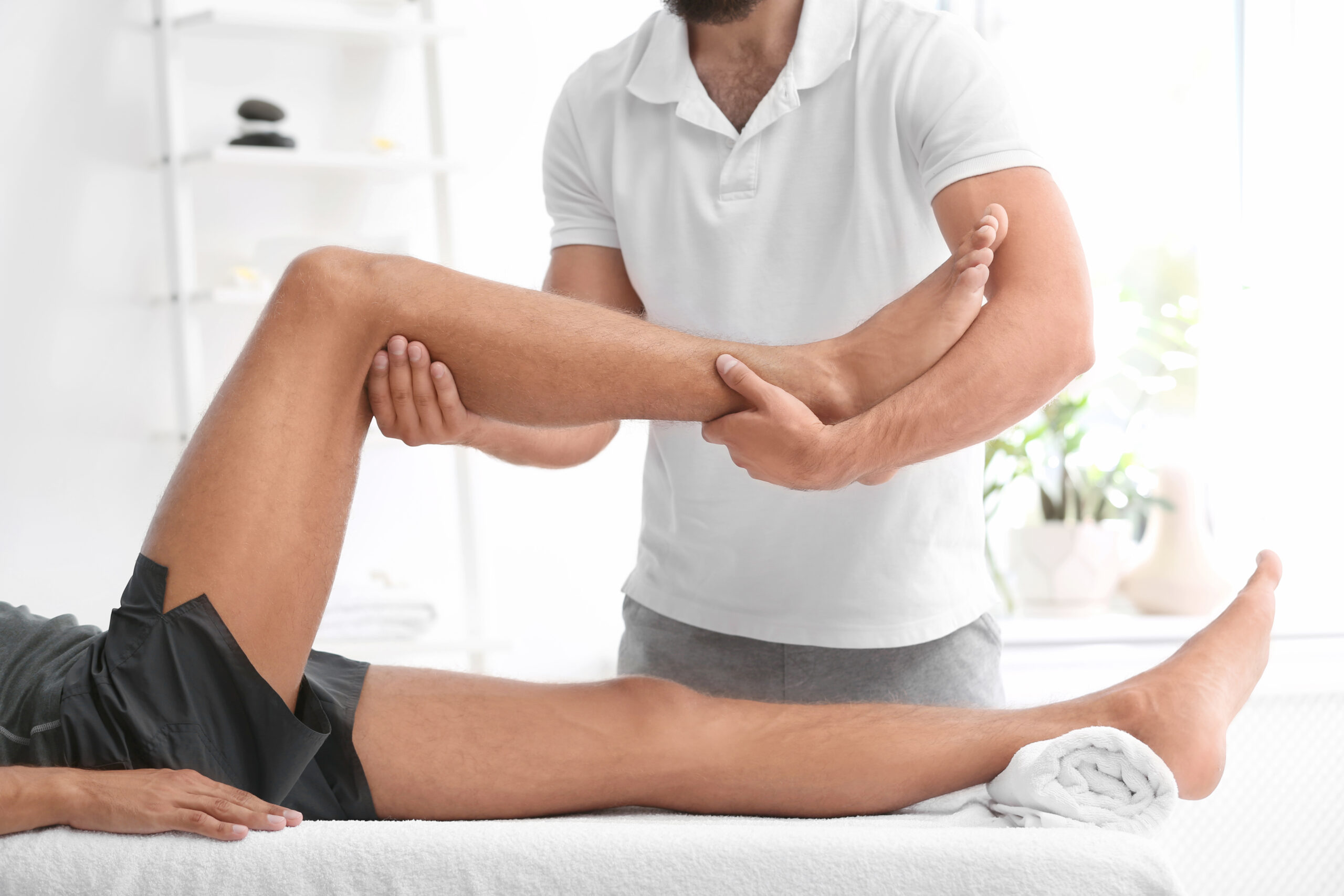
Persistent pain, stiffness, and restricted movement can severely limit your life. You may have heard of the benefits from physical therapy, but did you know of the specialized field within physical therapy practice under the name of Orthopedic Manual Therapy (OMT)? This specialized, hands-on approach can often make a critical difference in the management of musculoskeletal pain.
At ECRC Physical Therapy, our licensed physical therapists utilize the skilled techniques of OMT to address the root cause of your pain coming from the muscles, joints, tendons and nerves. If you’re searching for advanced, evidence-based, and highly personalized care, book an appointment with us!
Orthopedic Physical Therapy vs. General Physical Therapy: What is the Difference?
To understand OMT, it helps to first understand the hierarchy of care.
Physical Therapy (PT)
Physical therapy is a broad healthcare discipline focused on improving overall mobility, function, and quality of life. It uses a variety of methods—therapeutic exercise, patient education, balance training, and modalities (like heat/ice or electrical stimulation)—to treat a wide range of conditions across many fields of medical rehabilitation ranging from pediatrics, and developmental deficits to sports injuries, from post-stroke recovery to cardiac rehabilitation, from post surgical repairs and total joint rehabilitation.
Orthopedic Physical Therapy
Within the field of physical therapy you will see physical therapists with focused treatment of the musculoskeletal system—your bones, muscles, ligaments, tendons, and joints. An orthopedic physical therapist has advanced knowledge in diagnosing and treating conditions like stress fractures, sprains, strains, joint pain, and post-surgical recovery.
Orthopedic Manual Therapy (OMT)
Orthopedic Manual Therapy is a set of highly specialized, hands-on techniques used by an orthopedic physical therapist.
Key takeaway: OMT is a sub-specialty, using advanced skills and manual tools within the practice of physical therapy. While all of the professional staff of physical therapists at ECRC use orthopedic physical therapist skills like manual mobilization techniques, we also have advanced trained therapists certified in OMT having dedicated hundreds of hours to mastering these advanced hands-on skills.
Benefits of Manual Therapy: What Type of Pain is Relieved by Manual Therapy?
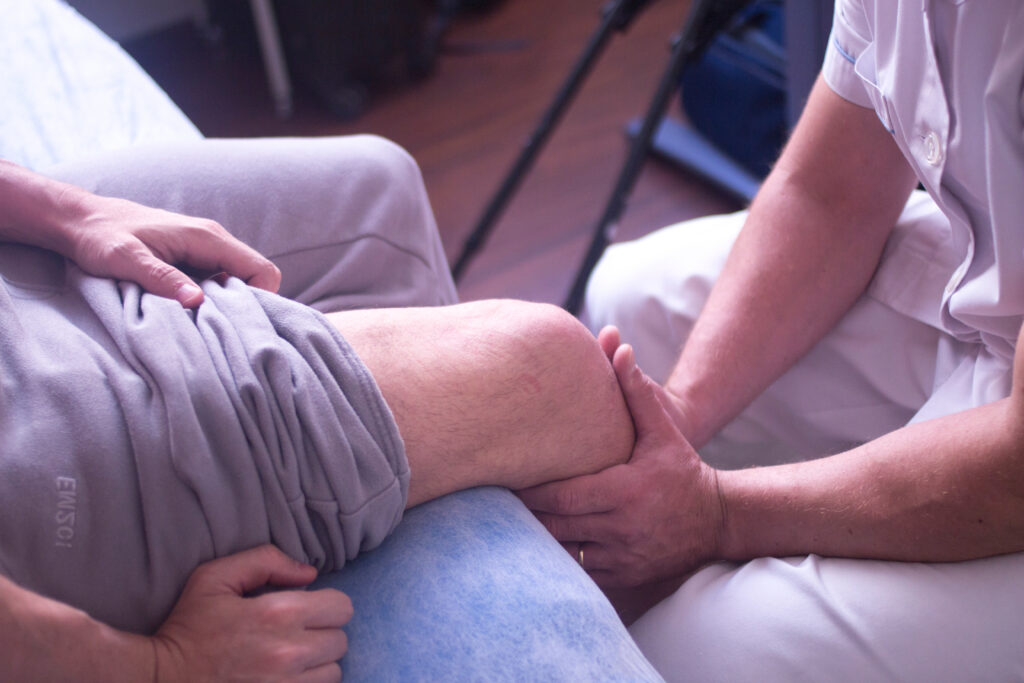
Manual therapy works by physically manipulating and mobilizing the body’s tissues to trigger positive changes. During an OMT session, your therapist uses their hands to apply directed pressure, mobilization, or manipulation to your joints, muscles, and nerves.
The immediate benefits are often profound, leading to a faster transition to effective, active exercise.
| Benefit | How OMT Achieves It |
| Significant Pain Relief | Reduces muscle spasm, relieves joint pressure, and modulates the nervous system’s perception of pain. |
| Improved Mobility & Range of Motion | Gently loosens stiff joints and stretches tight muscles and connective tissues (fascia), restoring normal joint movement. |
| Reduced Muscle Tension | Hands-on techniques break up deep muscle knots and trigger points, easing chronic tightness and the pain-spasm cycle. |
| Faster Healing | Increases local blood circulation to the injured area, ensuring more oxygen and nutrients reach the damaged tissues. |
| Restored Function | By correcting underlying mechanical issues, OMT allows patients to perform prescribed therapeutic exercises with proper form. |
Common Conditions Relieved by Manual Therapy:
OMT is highly effective for pain originating from mechanical dysfunctions in the spine and extremities. If your pain is related to movement, an OMT expert can often help.
- Spinal Pain: Chronic Low Back Pain, Neck Pain, Sciatica, and Stiffness.
- Joint Pain: Osteoarthritis (hip, knee, shoulder), Frozen Shoulder (Adhesive Capsulitis), and Joint Restriction.
- Soft Tissue Injuries: Muscle Spasms, Tendinitis, Plantar Fasciitis, and Carpal Tunnel Syndrome.
- Headaches: Tension headaches and Cervicogenic (neck-related) headaches.
Orthopedic Manual Therapy Techniques: How Does it Work?
OMT involves a variety of precise techniques chosen specifically for your condition. Your therapist’s extensive training allows them to select and execute the technique that will be most effective for releasing a joint, relaxing a deep muscle, or freeing a compressed nerve.
Skilled Manual Therapy Techniques
- Joint Mobilization: The therapist applies slow, gentle, and rhythmic movements to a restricted joint. The goal is to improve the joint’s “play” or small movements that are essential for full, pain-free range of motion.
- Soft Tissue Mobilization (STM): This includes therapeutic massage, myofascial release, and sustained pressure on trigger points to address muscle and fascial restrictions. STM helps to break up scar tissue, increase blood flow, and lengthen shortened muscles.
- Muscle Energy Techniques (METs): The patient actively contracts a muscle against the therapist’s resistance, followed by a relaxation phase. This carefully controlled sequence helps to lengthen tight muscles and improve joint alignment.
- Neural Mobilization (Nerve Glides): Gentle, specific movements of the limb designed to “floss” or “glide” an irritated or entrapped nerve through surrounding tissues, which can relieve radiating pain, tingling, or numbness.
The fundamental idea is that the therapist’s expert touch and directed force restore proper biomechanics, allowing the body to move efficiently and, critically, without pain.
OMT Specialist Training: What is a Certified Orthopedic Manual Therapist?
Given the specialized nature of these hands-on techniques, the qualifications of the provider are paramount. Not all physical therapists are trained equally in these advanced skills.
A Certified Orthopedic Manual Therapist (COMT) is a Physical Therapist (PT) who has pursued post-graduate education and rigorous certification beyond their initial Doctor of Physical Therapy (DPT) degree.
The Path to Certification:
- Initial Education: Completion of an accredited DPT program.
- Advanced Training: Completion of a comprehensive post-doctoral residency or fellowship program focused on orthopedic manual therapy. This involves hundreds of hours of lecture, lab, and clinical practice, usually spanning one to two years.
- Rigorous Examination: Passing a comprehensive, multi-part examination (written, oral, and practical) demonstrating mastery of advanced clinical reasoning, diagnostic skills, and manual treatment techniques.
When you see the initials COMT or hear that a therapist is Fellowship-trained (FAAOMPT), you are working with a clinician who has achieved the highest level of specialization in musculoskeletal care.
Ready to Find Relief?
At ECRC Physical Therapy, we believe in the power of the human touch combined with cutting-edge science. Our highly trained physical therapists, specializing in the use of orthopedic manual therapy skills and techniques to accurately assess and develop strategies to treat the source of your pain and provide the hands-on treatment and personalized exercises you need to achieve lasting results.
Don’t let pain control your life. Get the advanced, hands-on care you deserve.
Call ECRC Physical Therapy to book your initial evaluation and discover the difference OMT can make in your recovery!
📞 Contact us today to schedule your appointment.
ECRC Physical Therapy – Lisbon, CT [Phone: 860-376-2564]
ECRC Physical Therapy – Killingly/Dayville, CT [Phone: 860-779-0150]


