Are you struggling with pain, limited mobility, or recovering from an injury? Traditional manual therapies can sometimes be challenging or even painful. In an aquatic therapy environment, the buoyancy of water provides support, reduces impact, and enhances your body’s ability to heal. By utilizing aquatic physical therapy at ECRC Physical Therapy, people with various injuries can experience a gentler recovery.
What is Aquatic Physical Therapy?
Aquatic physical therapy, also known as hydrotherapy or water physical therapy, is a specialized form of physical therapy performed in a pool. Unlike recreational swimming, aquatic therapy utilizes the unique properties of water – buoyancy, hydrostatic pressure, viscosity, and warmth – to create a low-impact, supportive, and effective environment for rehabilitation and exercise. For over 30 yrs, we have provided aquatic therapy. The physical therapists are trained to guide you through specific movements and exercises tailored to your individual needs, allowing you to regain strength, flexibility, and function with less pain and stress on your joints.
What conditions can be treated with aquatic therapy?
The versatility of aquatic therapy makes it an excellent treatment option for a wide range of conditions. If you’re experiencing any of the following, aquatic therapy might be the solution you’ve been seeking:
- Orthopedic Injuries: Arthritis (osteoarthritis, rheumatoid arthritis), back pain, knee pain, hip pain, shoulder injuries, sprains, strains, tendonitis, and post-surgical rehabilitation (e.g., knee replacement, hip replacement).
- Neurological Conditions: Stroke, Parkinson’s disease, multiple sclerosis (MS), cerebral palsy, and balance disorders. The supportive nature of water can significantly improve balance and coordination.
- Chronic Pain Syndromes: Fibromyalgia, chronic regional pain syndrome (CRPS), and general chronic pain, where the warmth and buoyancy can alleviate discomfort and promote relaxation.
- Musculoskeletal Disorders: Degenerative disc disease, sciatica, and herniated discs.
- Other Conditions: Edema (swelling), obesity, and conditions where weight-bearing exercise is difficult or painful on land.
Why is aquatic therapy beneficial?
The benefits of aquatic therapy are numerous and often profound. The unique properties of water provide advantages that traditional land-based therapy simply cannot:
- Reduced Joint Stress: Buoyancy counteracts gravity, significantly reducing the impact and stress on joints, making movement less painful and more accessible. This is particularly beneficial for individuals with arthritis or recovering from surgery.
- Pain Reduction: The warmth of the water helps to relax muscles, increase blood flow, and alleviate pain. Hydrostatic pressure also helps reduce swelling and provides a gentle, constant massage to the body.
- Increased Range of Motion: The warmth and buoyancy allow for easier movement, helping to improve flexibility and joint mobility that might be restricted on land.
- Improved Strength and Endurance: Water provides natural resistance in all directions, challenging your muscles more effectively than air without the need for heavy weights. This allows for safe and progressive strengthening.
- Enhanced Balance and Stability: The buoyancy and viscosity of water provide a forgiving environment to practice balance and gait, reducing the fear of falling and building confidence.
- Improved Cardiovascular Health: You can achieve cardiovascular benefits with less strain on your body.
Aquatic physical therapy exercises
Our experienced therapists at ECRC Physical Therapy individualized exercise programs that may include:
- Walking and Gait Training: Practicing walking patterns with the support and resistance of water to improve stability and coordination.
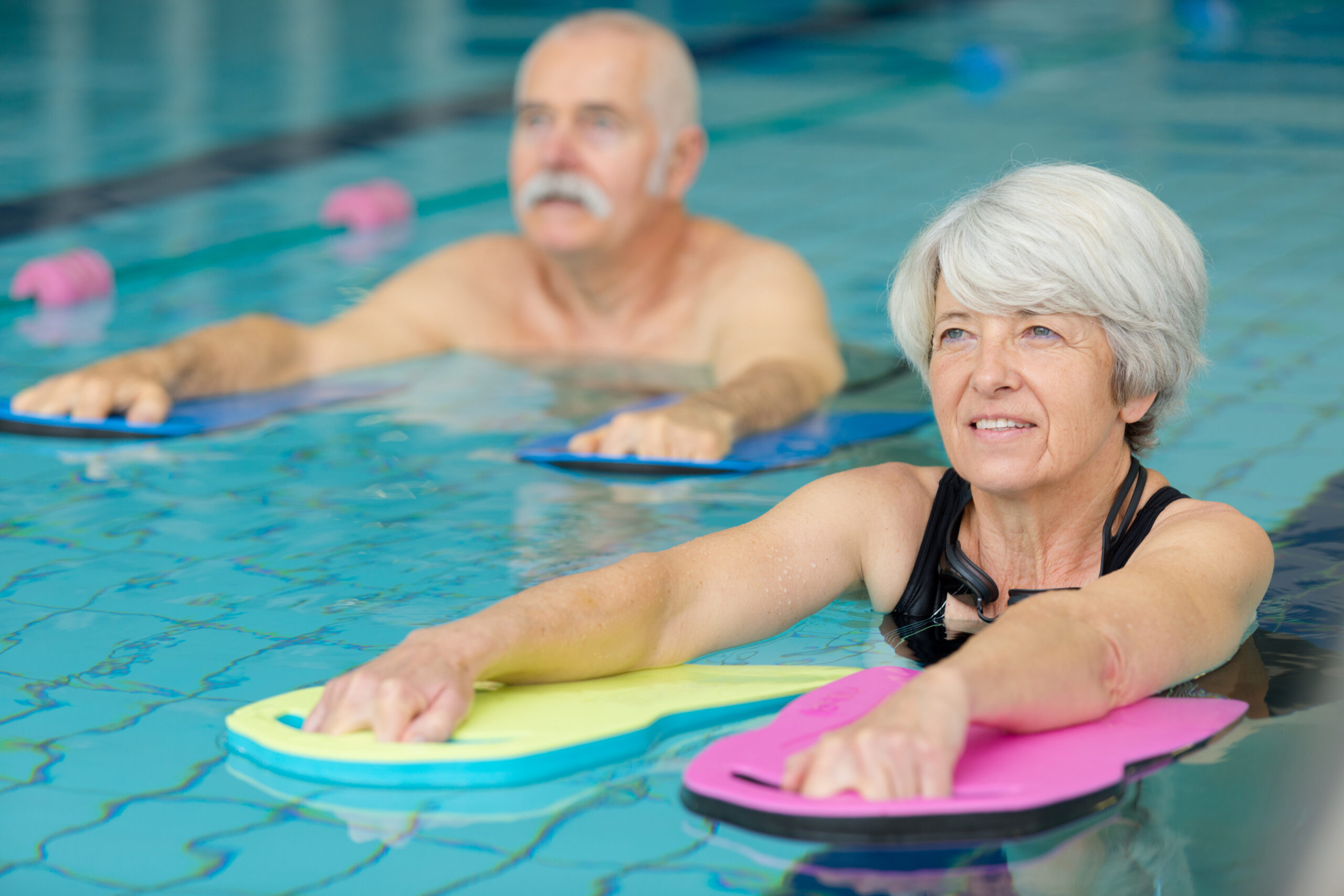
- Resistance Exercises: Using paddles, noodles, or the water itself to build strength in arms, legs, and core.
- Flexibility and Stretching: Gentle movements to increase joint range of motion and muscle elasticity.
- Balance Exercises: Standing on one leg, performing dynamic movements, or using assistive devices to challenge and improve balance.
- Core Strengthening: Exercises targeting the abdominal and back muscles for improved stability.
- Cardiovascular Conditioning: Activities like water jogging or specific resistance movements to improve heart health.
Specific Programs/Goals:
At ECRC Physical Therapy, our aquatic therapy programs are specifically designed to meet a variety of personal rehabilitation goals:
- Post-Surgical Rehabilitation: Accelerating recovery after orthopedic surgeries by allowing early, safe movement.
- Fall Prevention: Improving balance and coordination in a safe environment, especially for older adults.
- Athletic Performance Enhancement: For athletes looking to cross-train, recover from injuries, or improve strength and agility with less impact.
- Chronic Pain Management: Developing strategies to reduce pain and improve function for long-term conditions.
- Weight Management: Providing a supportive environment for exercise that might be challenging on land.
Why is water rehab effective?
The effectiveness of water rehab lies in its unique biophysical properties. The buoyancy of water makes you feel lighter, reducing the effective weight on your joints. This allows you to perform movements that might be impossible or too painful on land. Hydrostatic pressure exerted by the water helps reduce swelling and improve circulation, while also providing gentle support to the body. The viscosity (resistance) of water provides a natural, adjustable form of resistance for strengthening exercises – the faster you move, the greater the resistance. Finally, the warmth of the therapy pool helps relax muscles, alleviate pain, and increase blood flow, preparing your body for therapeutic exercise.
Is aquatic therapy covered by insurance?
Most insurance plans, including Medicare, do cover aquatic physical therapy delivered by a licensed physical therapist as part of a comprehensive treatment plan. As with any medical service, coverage can vary depending on your specific insurance policy. We recommend contacting ECRC Physical Therapy directly by calling our Lisbon, CT location at 860.376.2564, or speaking with your insurance provider, to verify your benefits and understand any co-pays or deductibles. Our administrative team is always happy to assist you with insurance inquiries or out of pocket pricing information.
What should I wear for aquatic therapy?
For your aquatic therapy session, you should wear comfortable swimwear. This could include a swimsuit, swim trunks, or even athletic shorts and a t-shirt made of quick-drying material. The most important thing is to choose attire that allows for a full range of motion and that you feel comfortable moving in while in the water. We also recommend bringing a towel and a change of clothes for after your session. Our Lisbon facility provides changing rooms and showers for your convenience.

What is the difference between aquatic therapy and swimming?
While both activities take place in water, aquatic physical therapy is distinctly different from recreational swimming. Swimming is a form of exercise that often involves continuous laps and specific strokes, primarily for fitness or sport. Aquatic therapy, on the other hand, is a structured, therapeutic intervention led by a physical therapist. It involves specific exercises and movements designed to address a patient’s individual physical limitations, pain, and functional goals. The focus is on rehabilitation and targeted muscle activation, rather than just general fitness. The water’s properties are strategically utilized to achieve therapeutic outcomes, making it a powerful tool for recovery and improved quality of life.
At ECRC Physical Therapy we are dedicated to helping you achieve your rehabilitation goals. We have been providing aquatic physical therapy since 1994 under the direction of Penny Allyn, PT. If you believe aquatic therapy could benefit you, contact our Lisbon office today by calling 860.376.2564 to schedule a consultation and take the first step towards a healthier, more mobile you.
Contact Form