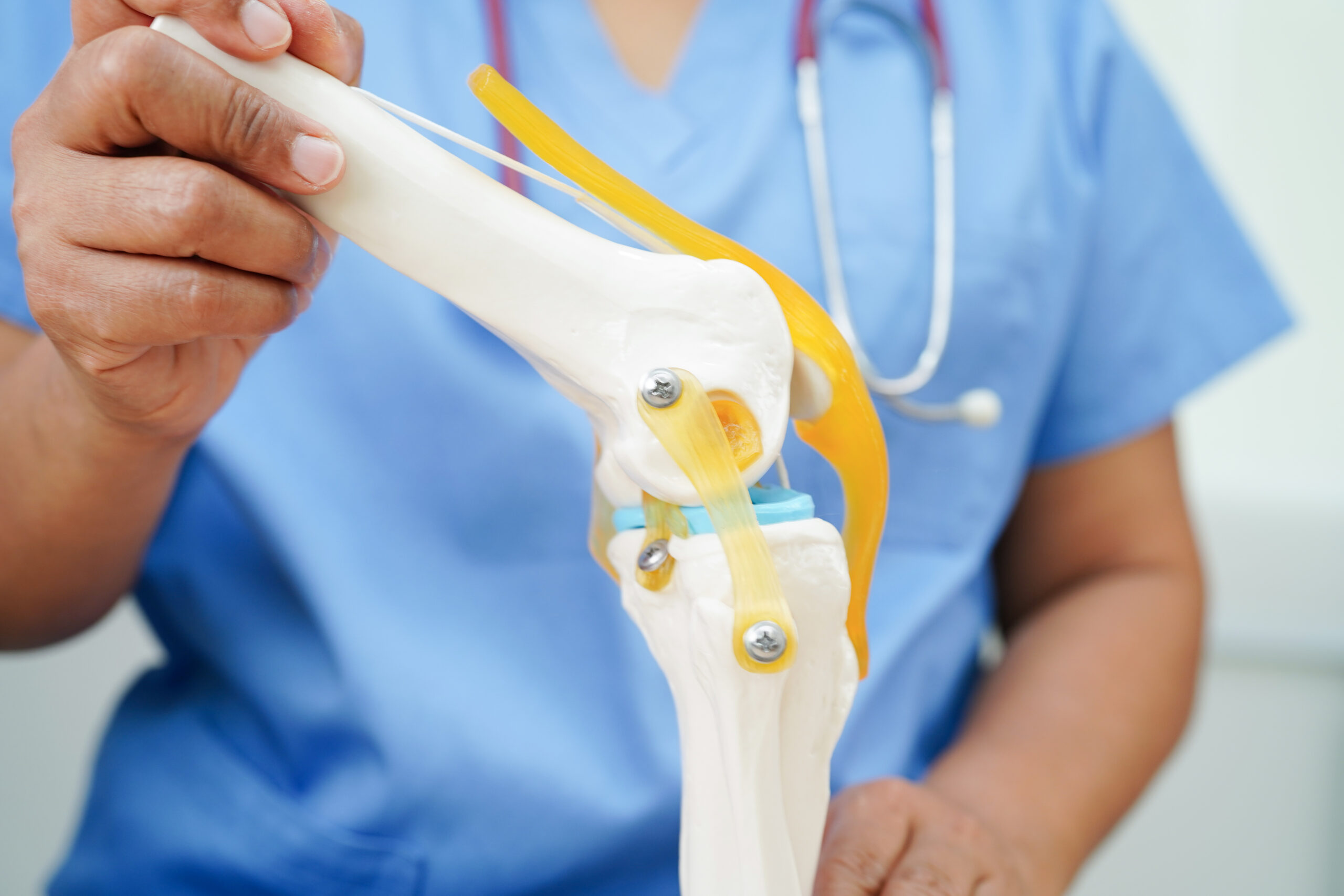
Undergoing joint replacement surgery can be a life-changing decision, hoping that it will provide an end to chronic pain and help you return to activities you love. Whether you’re anticipating a total knee replacement, a total hip replacement, a total shoulder replacement, the operating room is only the beginning of the recovery journey. In fact, the crucial next phase begins right after the Joint Replacement with the guidance of high quality post op, hands-on individualized Physical Therapy care. At ECRC Physical Therapy, with convenient locations in Lisbon and Killingly/Dayville, Connecticut, we specialize in guiding patients through this vital rehabilitation, helping you regain strength, mobility, and confidence.
When to Start Physical Therapy After Joint Replacement?
One of the most common questions we hear is, “When do I start physical therapy after joint replacement?” The answer might surprise you: often, it begins even before surgery as many patients start a Prehab program to prepare for the post op phase. Then, starting immediately after surgery at the hospital or surgi-center the recovery begins. Early mobilization is key to a successful recovery. Your surgeon and physical therapist will work together to ensure you begin gentle movements and exercises as soon as it’s safe. This immediate action helps prevent complications like blood clots, reduces swelling, and starts the crucial process of regaining range of motion. Don’t worry, these initial exercises are carefully supervised and designed to be gentle, progressively increasing in intensity as your body heals.
What Procedures Qualify for Post-Op Joint Replacement Physical Therapy?
Physical therapy is essential after virtually any major joint replacement. At ECRC-PT, we see total knee replacement (TKR), total hip replacement (THR) and shoulder replacement from many surgeons in Connecticut, RI and Mass. While these are among the most common arthroplasties, physical therapy is equally vital for Ankle Replacement surgeries to improve gait, balance, and the ability to walk comfortably after severe arthritis or injury. Likewise, Elbow Replacement surgery may be crucial to restore arm function for activities ranging from eating or dressing to lifting light objects.
In essence, if you’ve had an arthroplasty (joint replacement surgery) to replace damaged joint surfaces with artificial components, post-op physical therapy is an indispensable part of your recovery protocol.
What Does the Recovery Process Look Like and How Does Physical Therapy Help?
The recovery process after joint replacement surgery is a journey, not a sprint, and it typically involves several phases based on normal healing of replaced and repaired tissues. While individual timelines vary, here’s a general overview and how physical therapy at ECRC helps at each step:
- Immediate Post-Op (First Few Days): You’ll focus on pain management, basic mobility (getting in and out of bed, walking short distances with an assistive device), and initial exercises to prevent stiffness and promote circulation. Your ECRC physical therapist will work closely with you and your medical team to ensure you are ready to progress in your range of motion.
- Early Phase (Weeks 1-3): Once home from the hospital or surgi-center, a physical therapist from a Home Care PT will visit the patient’s home and begin with a focus on:
- Pain and Swelling Management: Using modalities like ice, elevation, and gentle manual therapy techniques.
- Restoring Range of Motion: Targeted exercises and stretches to improve the flexibility of your new joint. For knees, achieving full extension and good flexion is paramount. For hips, careful attention to surgical precautions is essential.
- Initiate Strength: Targeted exercises, progressing with exercises for the muscles surrounding the joint to provide support and stability.
- Gait Training: Improving your walking pattern, gradually transitioning from a walker to a cane, and eventually independent walking.
- Education: Understanding precautions, proper body mechanics, and how to safely perform daily activities.
- Initiate Outpatient Post Op Recovery (Weeks 3-12): Once discharged from Home Care PT the patient will see one of our skilled PT staff to continue the process of regaining ROM, strength of the trunk, hips, knees, and ankles, reducing the need for assisted devices to walk. As pain decreases and mobility improves, therapy progresses to more challenging exercises:
-
- Advanced Strengthening: Incorporating resistance bands, weights, and functional movements.
- Balance and Proprioception: Enhancing your body’s awareness in space to prevent falls.
- Functional Training: Mimicking daily activities like climbing stairs, getting in and out of a car, and reaching overhead.
- Outpatient Long-Term Recovery (Months 3-12+): While formal therapy may conclude by week 12, occasional additional therapy may be needed to restore balance, mobility and strength if there are complicating factors that may delay healing.
What Should I Expect During Post-Op Joint Replacement PT Sessions?
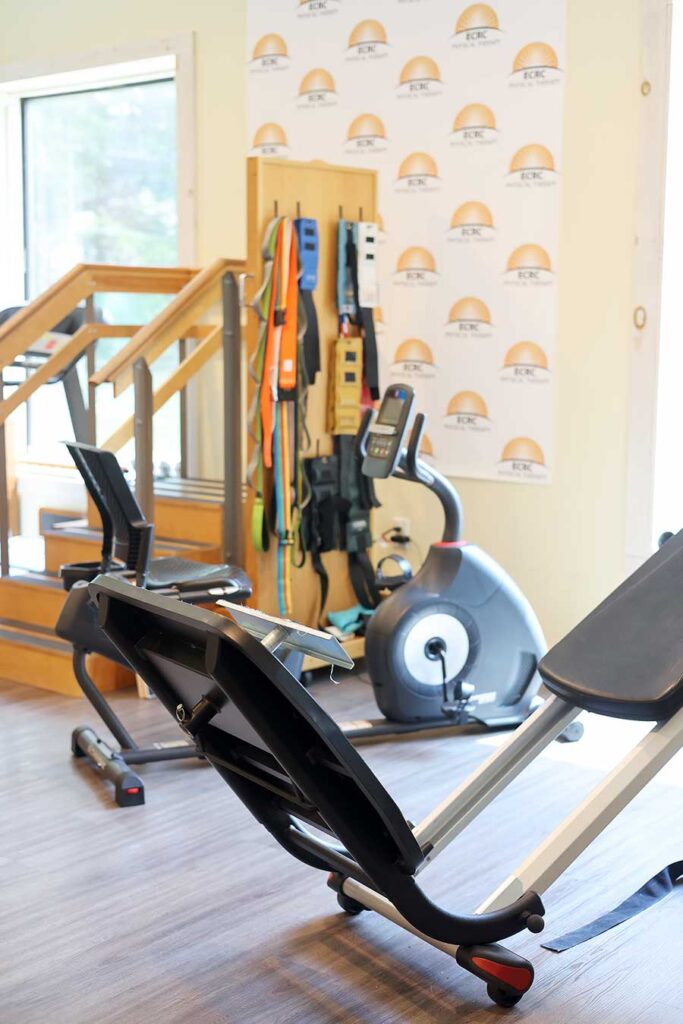 When you come to ECRC Physical Therapy for your post-op joint replacement rehabilitation, you can expect a personalized one-on-one and hands-on approach. Your first visit will involve a thorough assessment where your therapist will discuss your surgery, medical history, and goals. We’ll assess your current range of motion, strength, pain levels, and functional abilities.
Subsequent sessions will involve a combination of:
- Therapeutic Exercises: Tailored movements designed to strengthen muscles, improve flexibility, and increase joint mobility.
- Manual Therapy: A cornerstone of our approach at ECRC Physical Therapy. Our therapists use their hands to perform skilled techniques like joint mobilization, soft tissue massage, and stretching. This hands-on treatment is highly effective in reducing pain, breaking down scar tissue, improving circulation, and restoring optimal joint movement that exercise alone might not achieve.
- Balance Training: Specific exercises to improve stability and prevent falls, crucial after any lower extremity joint replacement.
- Functional Training: Practicing activities of daily living to help you safely and confidently return to your routine.
- Patient Education: You’ll receive clear instructions on your home exercise program, activity modifications, and strategies for managing pain and swelling.
We believe in a one-on-one, hands-on treatment philosophy, ensuring you receive the dedicated attention and expert guidance necessary for your best possible outcome.
What Are Common Mistakes to Avoid During Joint Replacement Recovery?
While eagerness to recover is good, certain pitfalls can hinder your progress:
- Doing Too Much, Too Soon: Overexertion can lead to increased pain, swelling, and even damage to the healing joint. Follow your therapist’s guidelines meticulously.
- Skipping or Inconsistent Physical Therapy: This is perhaps the biggest mistake. Physical therapy is not optional; it’s essential for regaining full function and preventing long-term stiffness or weakness.
- Ignoring Pain: While some discomfort is normal, sharp or increasing pain is a sign to slow down and consult your therapist or surgeon.
- Neglecting Home Exercises: The exercises you do at home are just as important as your in-clinic sessions. Consistency is key.
- Failing to Follow Precautions: Your surgeon will provide specific precautions (e.g., hip precautions to prevent dislocation). Adhering to these is critical for the integrity of your new joint.
- Not Managing Swelling: Persistent swelling can impede recovery. Continue to elevate and ice as advised.
Your Path to Pain-Free Movement Begins Here
Joint replacement surgery is a significant step towards restoring a life free from debilitating joint pain and loss of mobility. At ECRC Physical Therapy, our dedicated and highly skilled, experienced team is committed to providing the highest level of care, utilizing evidence-based practices, including specialized manual therapy techniques, to help you achieve the best, optimal and lasting recovery.
Whether you’re looking for expert post-op physical therapy or joint replacement rehab in Lisbon or Killingly/Dayville, CT, ECRC Physical Therapy is ready to partner with you on your journey to renew your mobility and improve your quality of life.
Ready to reclaim your movement? Don’t wait to start your recovery journey.
Book Your Appointment Today!
ECRC Physical Therapy – Lisbon, CT [Phone: 860-376-2564]
ECRC Physical Therapy – Killingly/Dayville, CT [Phone: 860-779-0150]


